Try the Hitech Billsoft Software today and grow your business
Join Millions of Business Owners already saving time and
money with Hitech Billsoft.
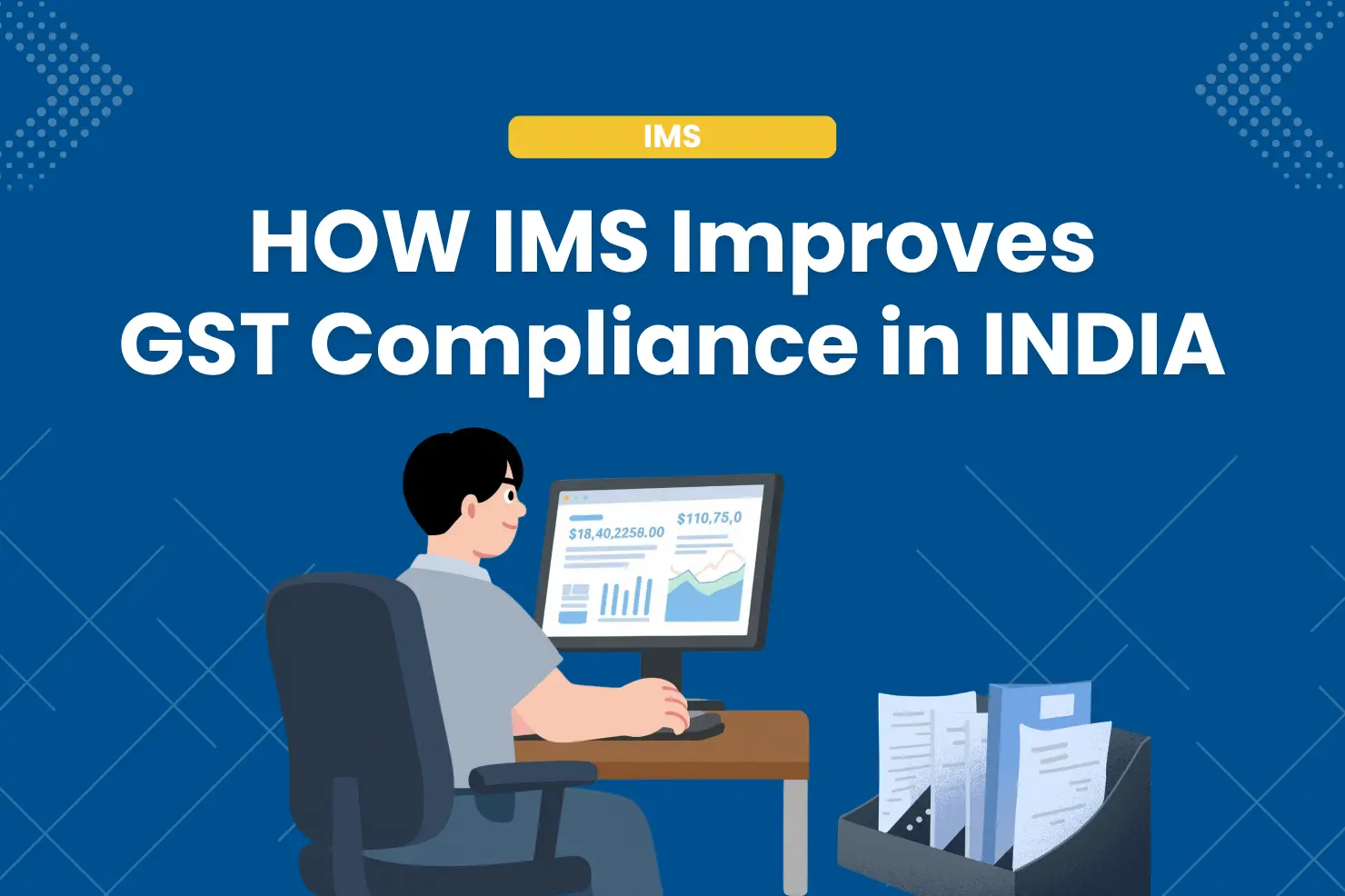
India's GST ecosystem continues to evolve, requiring businesses to maintain accurate invoices, reconcile transactions efficiently, and comply with changing regulations. Manual invoice handling often leads to data mismatches, delayed Input Tax Credit (ITC), and unnecessary compliance risks.
An Invoice Management System (IMS) simplifies this process by digitizing invoice management from creation to reconciliation. Instead of relying on spreadsheets and paper documents, businesses can automate invoice tracking, improve data accuracy, and streamline GST compliance through a centralized platform.
Whether you're a retailer, wholesaler, manufacturer, distributor, or service provider, implementing an Invoice Management System can reduce manual effort while ensuring invoices remain GST-compliant throughout their lifecycle.
An Invoice Management System (IMS) is a digital solution that enables businesses to create, organize, verify, store, and manage invoices in a structured manner. Rather than maintaining invoices across multiple spreadsheets or paper files, IMS provides a centralized repository where every invoice can be accessed and tracked throughout its journey.
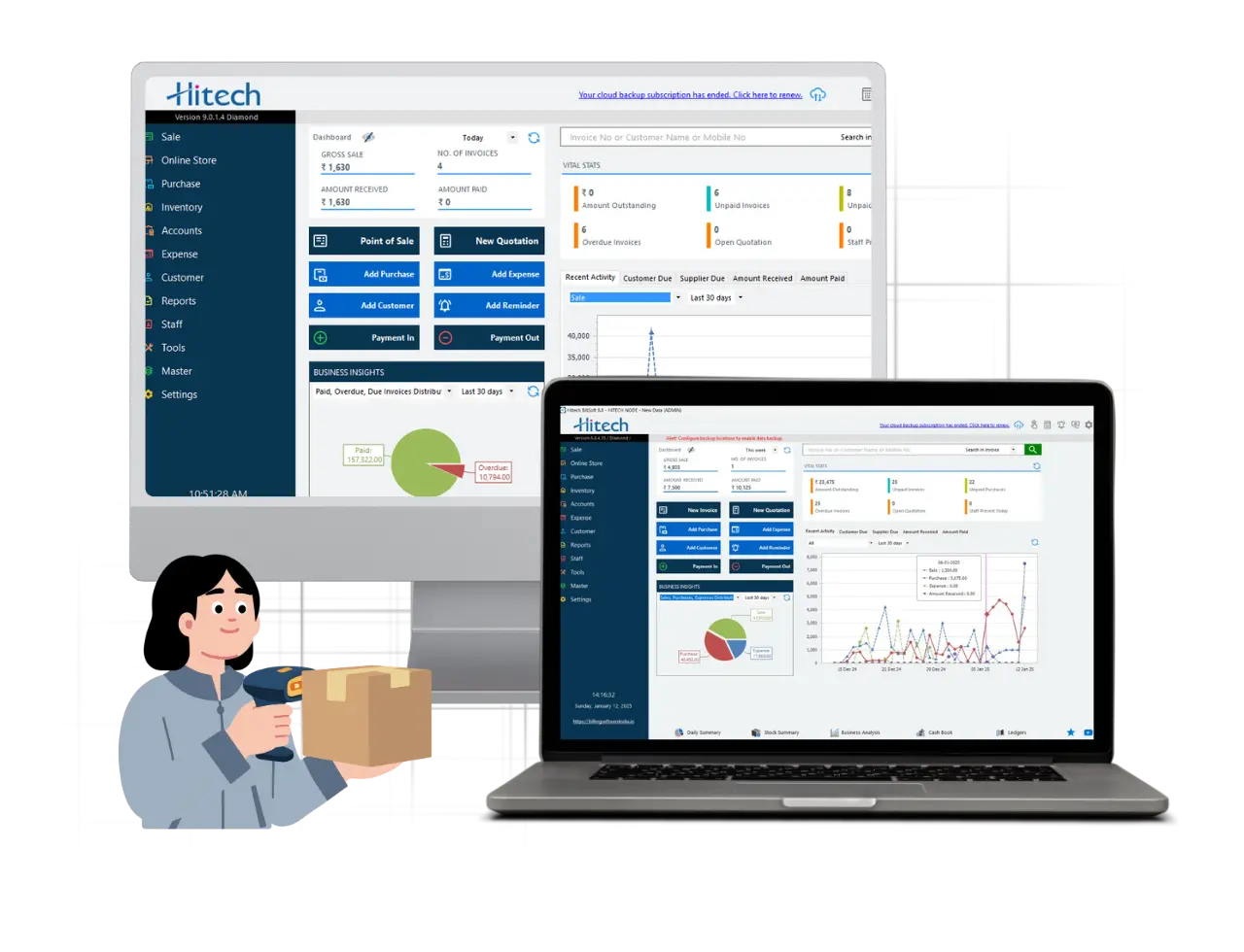
Modern IMS platforms integrate with GST-compliant billing software, allowing businesses to automatically calculate taxes, generate invoices in the prescribed format, monitor payment status, and prepare data for GST return filing.
Because invoice information remains organized and searchable, finance teams spend less time correcting errors and more time focusing on business operations.
GST compliance depends heavily on accurate invoice reporting. Even small discrepancies between supplier and buyer invoices may affect Input Tax Credit eligibility and increase reconciliation efforts.
Businesses often face challenges such as duplicate invoices, incorrect GST values, missing invoice details, delayed updates, and inconsistent record keeping. These issues become increasingly difficult to manage as transaction volumes grow.
The purpose of an Invoice Management System is to reduce these challenges by creating a standardized workflow for invoice processing. Every invoice can be validated, reviewed, tracked, and maintained in a consistent manner, helping organizations improve compliance while reducing manual intervention.
An Invoice Management System isn't just invoice storage software. It serves as the central platform that helps businesses improve invoice accuracy, simplify reconciliation, and strengthen GST compliance across their entire billing process.
An IMS follows a structured workflow that begins when an invoice is created or received. The system validates invoice information, organizes records digitally, and keeps them available for review, reconciliation, reporting, and GST filing.
Throughout this process, businesses gain better visibility into invoice status, payment tracking, tax calculations, and document history. Since every invoice remains digitally recorded, retrieving historical transactions becomes significantly faster during audits or compliance checks.
GST compliance requires businesses to maintain accurate invoice records, report transactions correctly, and reconcile purchase and sales data before filing returns. An Invoice Management System simplifies these activities by reducing manual intervention and keeping invoice data synchronized throughout the billing process.
Instead of searching through paper documents or multiple Excel files, finance teams can monitor invoice status, identify discrepancies, and prepare GST-ready reports from a single platform.
| Without IMS | With IMS |
|---|---|
| Manual invoice preparation | Automated invoice generation |
| Higher chances of data entry errors | Improved invoice accuracy |
| Time-consuming reconciliation | Faster invoice matching |
| Difficult document retrieval | Centralized digital storage |
| Risk of delayed GST filing | Better compliance readiness |
| Separate invoice tracking | Complete invoice lifecycle management |
Businesses adopting an Invoice Management System spend less time correcting invoices and more time focusing on customers, inventory, and business growth.
A modern Invoice Management System provides much more than invoice generation. It supports businesses throughout the complete billing and compliance process.
Every invoice follows a structured lifecycle inside an Invoice Management System. This structured workflow ensures invoices remain traceable from creation until final archival.
| Stage | Description |
|---|---|
| Create | Invoice is generated using GST-compliant formats. |
| Validate | Customer information, tax values, and invoice details are verified. |
| Approve | Internal review ensures invoice accuracy before sharing. |
| Share | Invoice is delivered to the customer. |
| Track | Monitor payment status and outstanding invoices. |
| Archive | Store invoices securely for audits and GST compliance. |
Regardless of industry, businesses benefit from improved visibility, faster invoicing, and better compliance when using an Invoice Management System.
As businesses grow, invoice volumes increase rapidly. A centralized Invoice Management System helps maintain consistency, minimizes human errors, and ensures financial records remain organized throughout the financial year.
Implementing an Invoice Management System is only the first step toward better GST compliance. Businesses should also establish standardized invoicing processes to ensure every invoice is accurate, traceable, and compliant with GST regulations.
| Business Challenge | How IMS Helps |
|---|---|
| Manual invoice entry | Automates invoice generation and minimizes data entry errors. |
| Invoice mismatches | Maintains standardized invoice records for easier reconciliation. |
| Delayed GST filing | Organizes invoices and generates reports for timely filing. |
| Difficulty finding old invoices | Secure digital storage enables quick document retrieval. |
| Audit preparation | Keeps a complete invoice history in one centralized system. |
Businesses of every size can benefit from an Invoice Management System. Whether you issue a few invoices every week or thousands every month, maintaining organized invoice records is essential for financial management and GST compliance.
Accurate invoices form the foundation of GST compliance. A structured Invoice Management System helps businesses reduce errors, improve transparency, and simplify day-to-day billing operations.
Join Millions of Business Owners already saving time and
money with Hitech Billsoft.