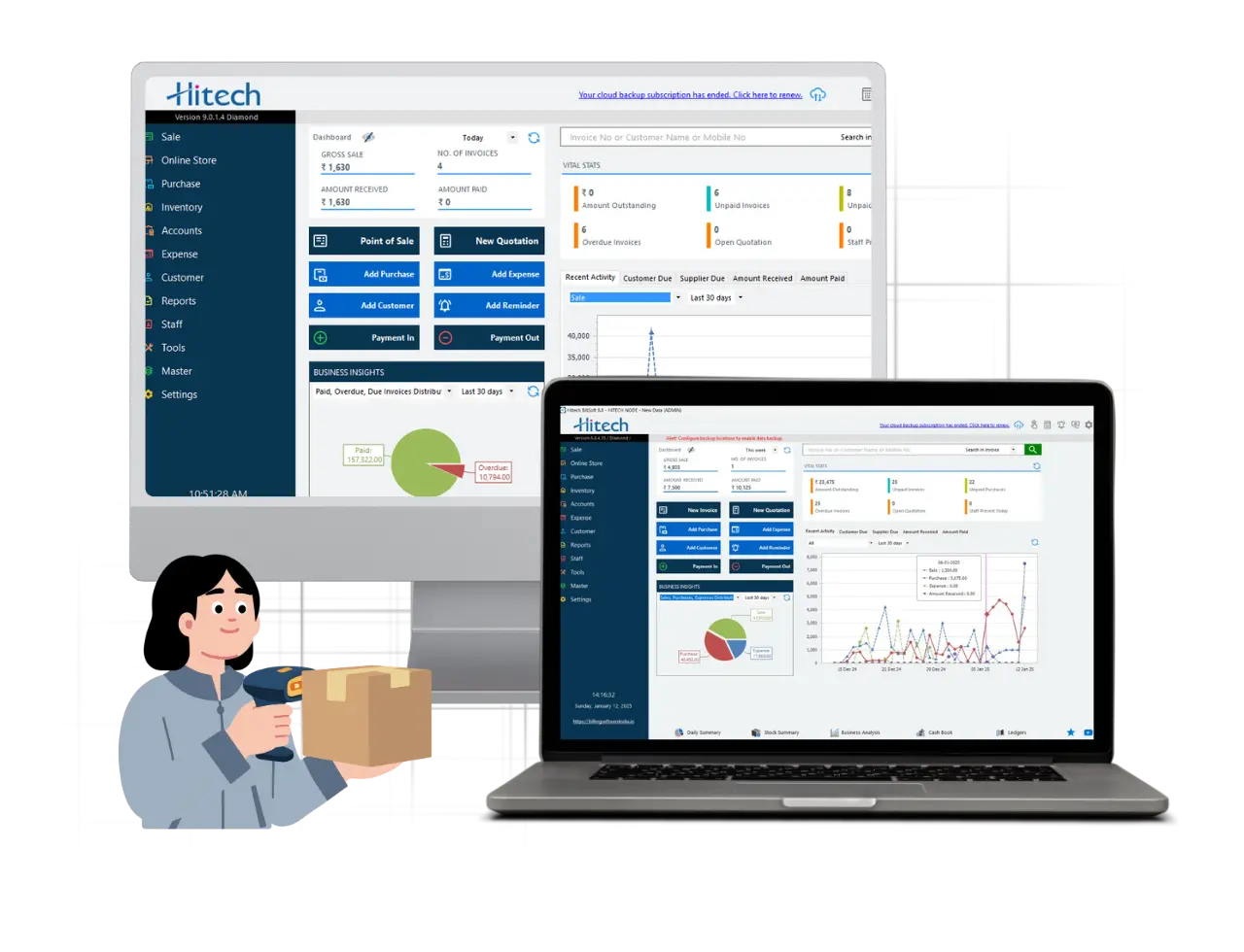
Try the Hitech Billsoft Software today and grow your business
Join Millions of Business Owners already saving time and
money with Hitech Billsoft.
GST is becoming more automated, and GSTN update 2026 brings some of the most important e-Way Bill and refund-related changes yet. Every business owner, exporter, accountant, and MSME involved in moving goods or claiming GST refunds should know what has changed and what it means for day-to-day compliance.
This GSTN update 2026 introduces a new e-Way Bill closure option, makes Ship-To GSTIN reporting far more important in Bill-To Ship-To transactions, and standardizes how refund claims involving accumulated Input Tax Credit are filed through a new Annexure-B Utility.
This guide walks through each of these updates, who they affect, and the practical steps MSMEs should take to stay compliant in FY 2026–27.
These changes may sound technical, but the goal behind them is simple: cleaner, more accurate, and easier-to-verify business records. An e-Way Bill that stays active after goods never moved creates confusion during checks. A Bill-To Ship-To transaction with no Ship-To GSTIN makes it harder for authorities to confirm where goods actually landed. And refund claims submitted in inconsistent formats slow down processing for everyone.
Businesses that keep proper records and use GST-compliant billing software will find it much easier to adapt to these changes and avoid unnecessary compliance issues.
Before looking at each change in detail, here is a quick summary of what has changed and why it matters.
| Update | What It Means |
|---|---|
| Voluntary e-Way Bill Closure | Close an e-Way Bill when goods were never dispatched or a shipment was cancelled |
| Ship-To GSTIN Reporting | Mandatory reporting of the actual delivery location's GSTIN (or URP for unregistered recipients) |
| Annexure-B Utility | A standardized offline tool for preparing and uploading refund-related invoice details |
The e-Way Bill enhancements are scheduled to take effect from June 15, 2026. Review your billing and logistics processes ahead of this date to stay compliant.
Picture this: an order comes in and an e-Way Bill is generated for it. But later, one of the following happens:
Earlier, the e-Way Bill stayed active in the GST system regardless, which created confusion because the portal showed goods as being in transit when they never actually moved. To fix this, GSTN has introduced a Voluntary e-Way Bill Closure Facility that lets businesses formally close a bill once it's clear the shipment isn't going ahead.
No goods moved = close the e-Way Bill. This keeps GST records clean and accurate, and helps with maintaining accurate business records during GST checks, better shipment tracking, and improved overall compliance.
Consider a simple case: Company A buys goods, but those goods are delivered directly to Company B. This is known as a Bill-To Ship-To transaction. Earlier, many businesses only focused on the billing GST number and treated the Ship-To details as secondary.
Under the new update, GSTN wants businesses to report the correct Ship-To GSTIN as well, and unregistered recipients now need to be marked as URP in the GSTIN details. This is because GSTN wants to know exactly where goods are going, in order to:
If your business works with warehouses, distributors, branches, or third-party delivery locations, this update directly affects you, and missing or incorrect Ship-To details could lead authorities to question or delay the movement of goods.
This update mainly affects exporters and businesses claiming GST refunds. Previously, businesses uploaded refund-related invoice details in whatever format they preferred - Excel sheets, PDF documents, or manual attachments. Because everyone used different formats, refund processing often took longer than it needed to.
GSTN has now introduced a standardized Annexure-B Utility, an offline tool used to prepare refund-related invoice details. Taxpayers generate a JSON file through this utility and upload it while filing eligible GST refund applications.
Exporters supplying goods or services without paying GST under LUT, SEZ suppliers, businesses under the inverted duty structure, and exporters of electricity claiming GST refunds all need to use this utility for eligible ITC refund claims.
These GSTN updates mainly affect businesses claiming refunds of accumulated Input Tax Credit, along with anyone regularly generating e-Way Bills for goods movement.
| Business Type | Why It's Affected |
|---|---|
| Exporters | Export goods or services without paying GST under LUT |
| SEZ Suppliers | Supply goods or services to Special Economic Zones |
| Inverted Duty Structure Businesses | GST paid on purchases is higher than GST collected on sales |
| Electricity Exporters | Export electricity and claim GST refunds |
| Transporters & Distributors | Regularly generate e-Way Bills and manage Bill-To Ship-To deliveries |
If you run a small business, here's how to adapt to the latest GSTN update:
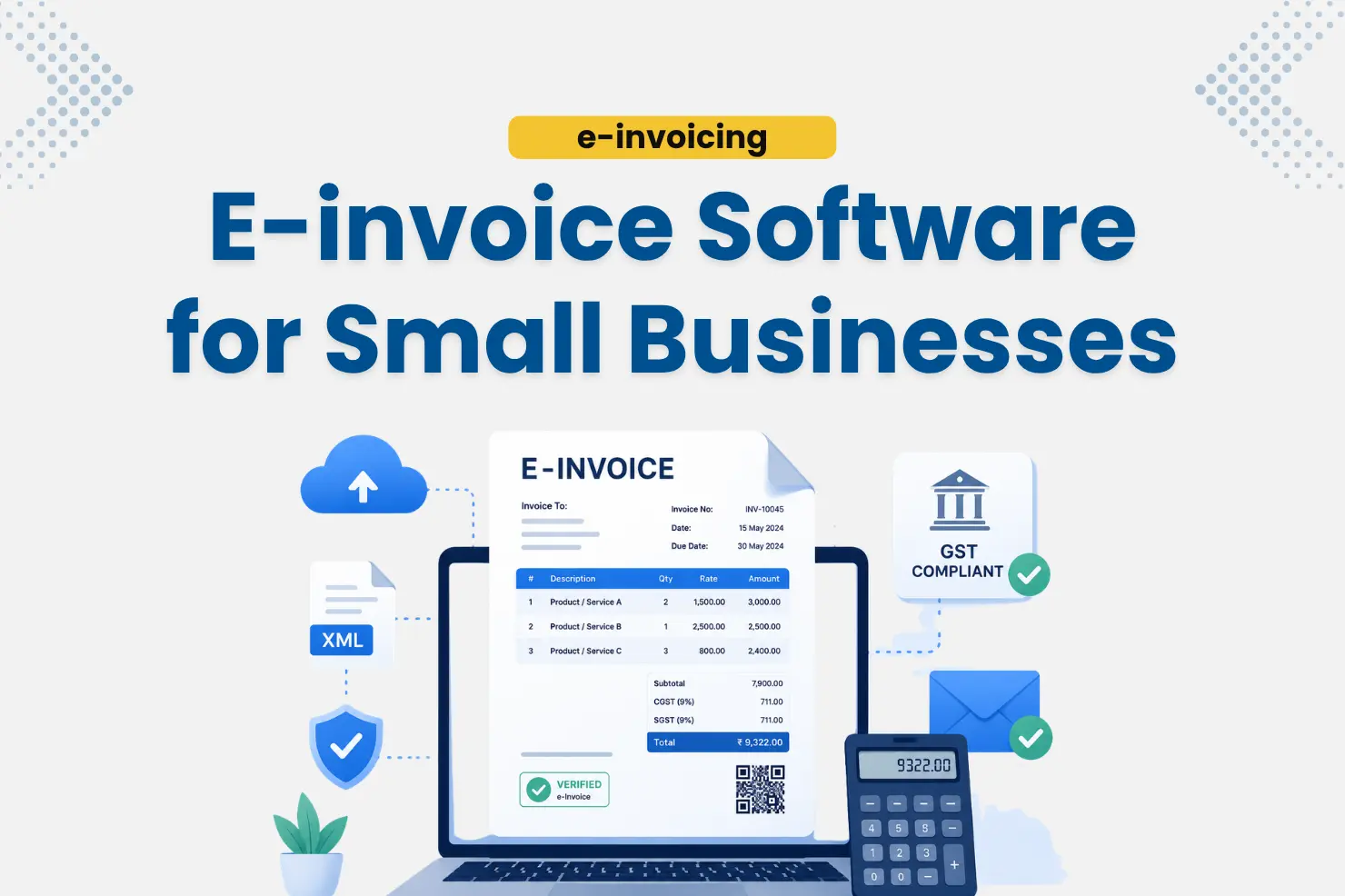
GST-compliant billing software makes it easier to keep e-Way Bill records accurate, capture Ship-To GSTIN details correctly, and stay ready for refund filing - reducing the manual work behind these new GSTN requirements.
The latest GSTN updates may sound technical, but their goal is simple: cleaner, more accurate, and easier-to-verify business records. The new e-Way Bill Closure Facility, improved Ship-To GSTIN reporting, and the Annexure-B Utility are all steps toward a more transparent GST system.
For MSMEs, the best approach is straightforward - stay informed, keep records updated, and use GST-compliant billing software to make compliance easier.

Join Millions of Business Owners already saving time and
money with Hitech Billsoft.